Primarily seen in ageing properties, rising damp is caused when a damp proofing course has either or become ineffective over time. Unfortunately, rising damp can never be cured, but it can be controlled. If rising damp, or any form of damp, is left untreated, further damage could spread to interior floors and walls.

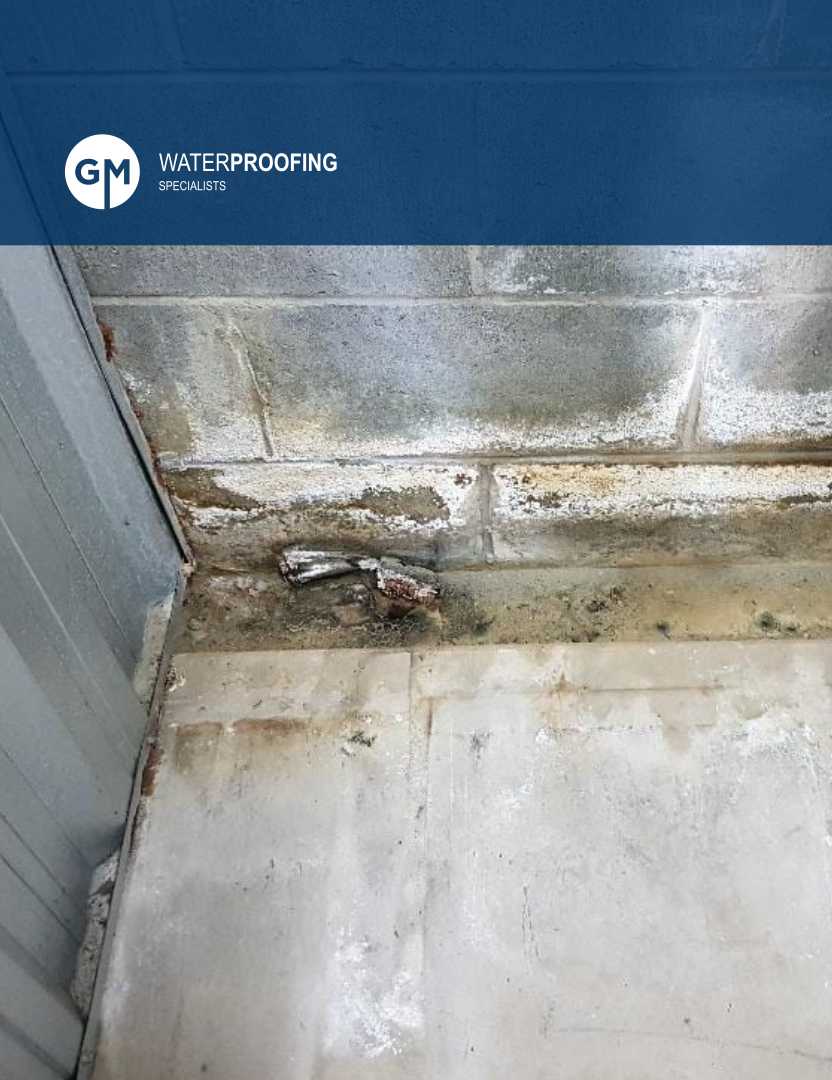
We use advanced chemical injection systems such as silicone-based fluids or creams to create a moisture barrier that stops damp rising through brick and plaster walls.
After treatment, walls are replastered with salt-retardant materials to prevent hygroscopic salts and tide marks from resurfacing.
A comprehensive inspection evaluates ground conditions, subsoil moisture, surrounding drainage issues, and landscaping impact—helping prevent recurrence with targeted drainage or moisture control measures.
Rising damp causes plaster to crumble, rotten roof boards, rust metal components, and weaken wall integrity. Left untreated, this can lead to repair bills in the hundreds of thousands of rand and significantly reduce resale value—up to 20% loss or more in serious cases
Damp walls foster mold and mildew growth, creating musty odours and poor air quality. This environment exacerbates allergies, asthma, skin irritations, and other respiratory problems.
Homes with hidden damp issues can lose value and invite legal trouble if undisclosed during sale some cases in judicial system has awarded buyers hundreds of thousands in damages. Transparent damp removal helps preserve sale price, buyer trust, and avoids litigation
Answers to key questions from identifying signs, understanding chemical DPC treatment costs, to long-term prevention tips.


